Entering a blocked programme
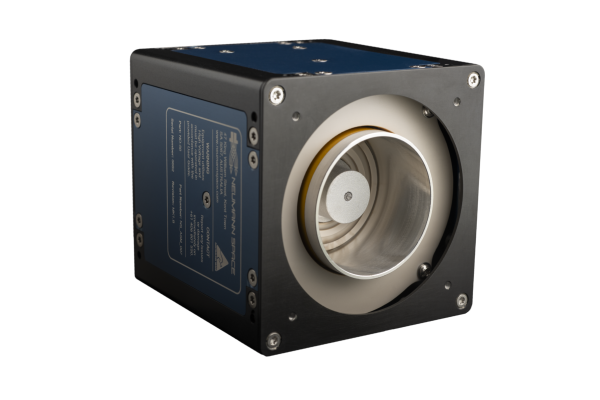
Raghav joined Neumann Space as an Electronics Engineer and functionally led a small electronics workstream supporting plasma-propulsion development for the SpIRIT mission context.
The propulsion concept had previously been demonstrated, but the more representative power-and-control electronics were not operating reliably. Electronics had become a critical path to further integrated testing, with limited development hardware, instrumentation and schedule margin.
The workstream included Raghav and two early-career engineers. His public role is best described as Electronics Engineer with functional technical leadership responsibility, not as the confirmed contractual title of Technical Lead.
Choosing recovery before redesign
A new PCB was one possible response, but the failure was not yet understood. An immediate redesign could have reproduced the same problem, consumed schedule and destroyed useful diagnostic evidence from the inherited system.
Raghav recommended understanding and stabilising the existing architecture first. This was a systems and programme-risk decision rather than reluctance to design.
Under schedule pressure, architecture change is not automatically progress.
Reconstructing the system
Raghav reconstructed the expected system behaviour and compared it with measured operation. The investigation moved through static checks, operating observations and high-level review of magnetic, thermal and switching-loss possibilities.
Plausible causes were eliminated systematically. The initiating problem was traced into the control path, a controlled correction was applied and repeatable operation was restored without a clean-sheet redesign.
This public account deliberately excludes the exact fault mechanism, topology, component identities, operating values, timing, control constants, PCB details and test configuration.
Leading the electronics workstream
Raghav led two early-career engineers, one focused primarily on electronics and one primarily on firmware. He allocated meaningful supporting-circuit, assembly, embedded and test work, reviewed the results and retained responsibility for architecture, integration and test sequencing.
The leadership task was to maintain technical direction under significant programme pressure while protecting the team's ability to focus.
The leader owns the mistakes; the success belongs to the team.
Moving into verification
After the electronics path was recovered, the work shifted from intervention to repeatability and verification. Raghav corrected engineering records, assembled additional hardware and helped move the workstream into sustained firing campaigns.
The integrated system entered vacuum testing, with thermal and pulsed-current behaviour monitored at a high level. The workstream moved from blocking programme progress to representative-environment testing.
Contribution boundaries and later mission context
Raghav left while the TRL-6-oriented ground campaign remained underway. Later qualification, later flight-hardware revisions, spacecraft integration and on-orbit operations remained with Neumann Space and the wider SpIRIT team.
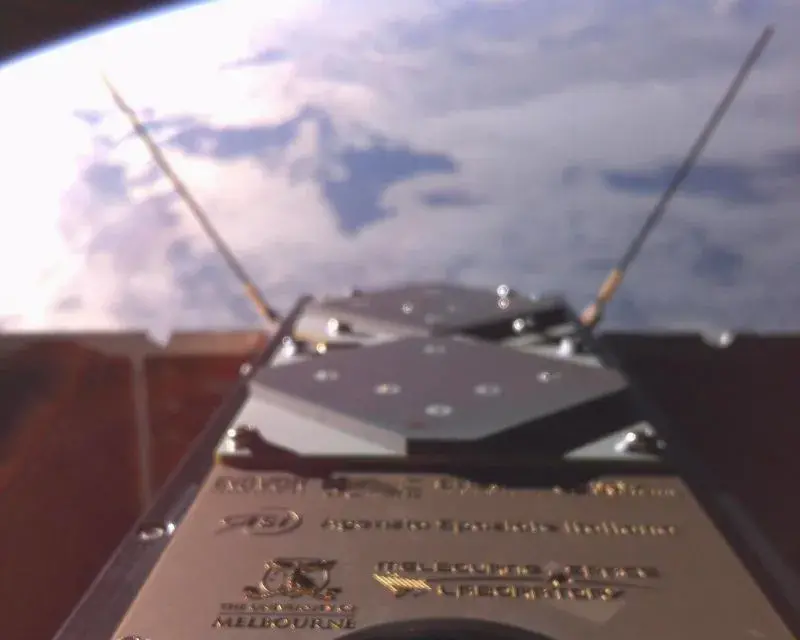
SpIRIT later launched and publicly demonstrated a Neumann Space propulsion system in orbit. That later outcome is programme context, not a claim that Raghav's exact 2020 electronics revision flew.
This Story does not claim that Raghav invented the thruster, designed the complete propulsion system, delivered flight-qualified hardware or formally certified TRL 6.
Engineering and leadership lessons
- Recovering an inherited design may be harder than designing from scratch.
- Measure the operating system rather than relying only on nominal assumptions.
- Change one meaningful variable at a time.
- Do not redesign before the failure is understood.
- A technical lead protects the team's ability to think.
- Ownership belongs with the leader; credit belongs with the team.